
Table of Contents
ToggleIntroduction: The Energy Pulse of Global Commerce
As we navigate the fiscal landscape of 2026, the energy market remains the most significant variable in the global logistics equation. For international businesses and supply chain managers, global oil prices 2026 represent more than just a line item on a financial statement; they are the primary driver of freight rates, operational overhead, and ultimately, market competitiveness. In an era where the transition to green energy is accelerating, the price of crude oil and its derivatives continues to hold a powerful sway over the movement of goods across the Indonesian archipelago and beyond.
At Alfian Logistics, we believe that clarity is the best defense against market volatility. Understanding how energy fluctuations impact the Southeast Asian corridors allows our partners to make informed decisions that protect their margins. This comprehensive analysis explores the current state of energy markets in 2026 and provides a strategic roadmap for navigating the logistical challenges posed by shifting oil prices.
The Macroeconomic Landscape of Global Oil Prices 2026
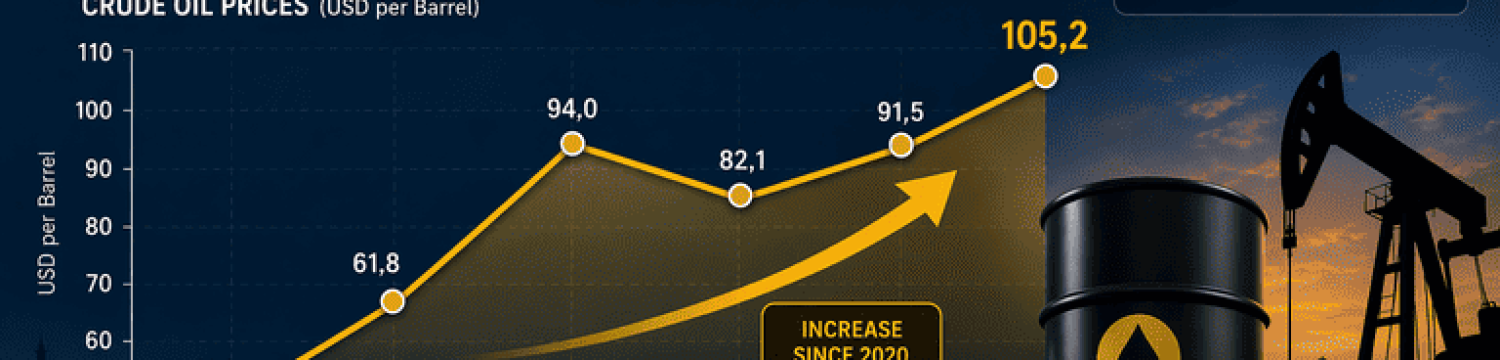
The energy market of 2026 has reached a fascinating crossroads. Unlike the extreme volatility seen in previous years, this year is defined by a “Managed Equilibrium.” Several critical factors have shaped the trajectory of global oil prices 2026:
-
Production Diversification: The global supply chain for energy has moved away from a singular reliance on traditional oil-producing regions. Increased output from emerging producers and the maturation of renewable energy infrastructure have created a more resilient, albeit complex, pricing environment.
-
The Decoupling Effect: While logistics still relies heavily on fossil fuels, many sectors are beginning to “decouple” their growth from oil consumption. The rise of electric heavy-duty vehicles and biofuel-powered maritime vessels in Indonesia has started to insulate local logistics from the most drastic international price swings.
-
Monetary Policy and the US Dollar: As the primary currency for oil trading, the strength of the USD continues to influence the real cost of fuel for Indonesian importers and exporters. In 2026, currency stability in the ASEAN region has helped mitigate some of the inflationary pressures of energy costs.
Impact on Maritime Freight and Shipping Lines
Maritime transport is the backbone of the Indonesian economy, and it remains the sector most sensitive to global oil prices 2026. In 2026, shipping lines have adopted a highly transparent approach to fuel surcharges, known as the Bunker Adjustment Factor (BAF).
For global clients of Alfian Logistics, this means that maritime freight rates are now more dynamic. However, technology has provided a solution. By utilizing AI-driven route optimization, we can assist our clients in choosing carriers that prioritize fuel-efficient “Slow Steaming” or those utilizing dual-fuel engines. This not only reduces the direct impact of high oil prices but also aligns with the global shift toward sustainable shipping. The ability to pivot between different maritime service tiers based on real-time fuel data is a critical skill for any modern supply chain manager.
Air Freight Sensitivity and the Fuel Factor
If sea freight is the backbone, air freight is the nervous system—fast, responsive, but highly sensitive to external stimuli. The “Udara” (air) component of logistics in 2026 faces unique challenges regarding global oil prices 2026. Jet fuel remains one of the highest expenses for cargo airlines, often resulting in immediate adjustments to “Fuel Surcharges.”
To maintain efficiency, Alfian Logistics utilizes a “Consolidation Strategy.” By pooling shipments into high-density cargo flights, we maximize the fuel efficiency per kilogram of goods moved. Furthermore, the increasing availability of Sustainable Aviation Fuel (SAF) in major Indonesian hubs like Jakarta and Surabaya provides an alternative, though it remains influenced by the broader energy market. Our role is to provide our clients with the data needed to decide when the speed of air freight justifies the energy premium, especially during periods of price spikes.
Domestic Road Freight and the Biofuel Cushion
In Indonesia, the impact of global oil prices 2026 on road transport is filtered through national energy policies. The Indonesian government’s commitment to B35 and B40 biodiesel blends has created a domestic “cushion” that protects the trucking sector from the full force of international crude volatility.
At Alfian Logistics, our trucking fleet is fully optimized for these high-biofuel blends. This technical readiness allows us to offer more stable domestic freight rates compared to providers who are solely reliant on imported diesel. For our international clients, this domestic stability is a key advantage when calculating the “Last Mile” delivery costs for goods distributed across Java, Sumatra, and the new capital, IKN.
Strategic Solutions for Energy-Resilient Logistics
How does a business survive and thrive when global oil prices 2026 are in a state of flux? At Alfian Logistics, we recommend a three-pronged strategy:
-
Inventory Pre-Positioning: When energy forecasts suggest an upward trend in prices, we advise our clients to utilize our strategic warehousing facilities in Indonesia to “pre-position” stock. By moving larger volumes when freight rates are lower, you avoid the high-cost shipping windows that follow fuel price hikes.
-
Multimodal Flexibility: We provide the agility to switch between sea, air, and land routes seamlessly. If air fuel surcharges become prohibitive, our “Sea-to-Air” or “Sea-Rail” solutions offer an elegant middle ground that maintains momentum while controlling costs.
-
Digital Transparency: Our digital platform provides a clear breakdown of fuel surcharges. We believe that by giving our clients visibility into the “Energy Component” of their logistics costs, we empower them to negotiate better and plan more accurately.
The Green Transition: Moving Beyond Oil
Looking ahead, the ultimate solution to the volatility of global oil prices 2026 is the transition toward energy independence. Alfian Logistics is actively investing in the future of Indonesian logistics. From solar-powered cold storage facilities to the testing of electric delivery fleets for urban centers, we are committed to reducing the “Carbon and Crude” footprint of our operations.
For the international community, partnering with a logistics provider that is proactive about energy transition is no longer a “luxury”—it is a risk-mitigation necessity. A supply chain that is less dependent on oil is a supply chain that is more resilient to the geopolitical shocks of the 21st century.
Conclusion: Stability in an Unstable World
The energy landscape of 2026 is a reminder that in logistics, change is the only constant. While global oil prices 2026 will continue to fluctuate, your business does not have to be at the mercy of the markets. With the right data, a flexible multimodal strategy, and a partner who understands the intricate relationship between energy and movement, you can navigate these waters with confidence.
Alfian Logistics stands ready to be that partner. We provide the elegant, intelligent, and resilient logistics solutions that the modern world demands. Let us help you turn energy challenges into a strategic advantage for your Indonesian operations.